by | Oct 1, 2026 | Smarter Shopping
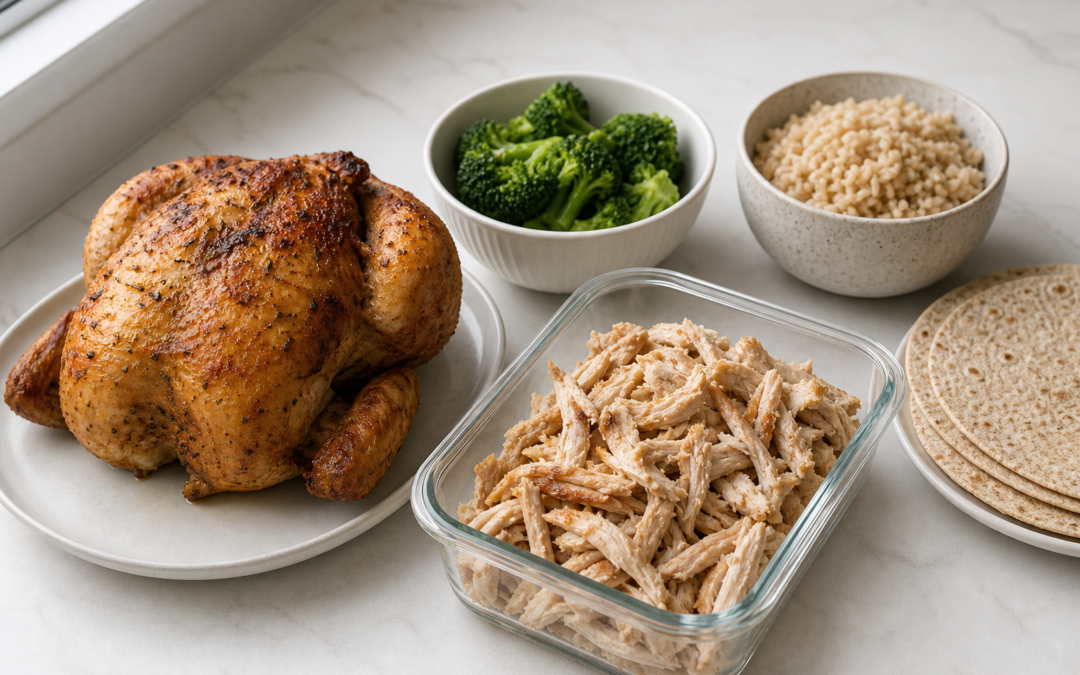
Rotisserie chicken can seem like an unnecessary convenience purchase when raw chicken is often cheaper per pound. But the cheapest food is not always the best value if it sits in the fridge while dinner turns into takeout.For a busy week, one ready-to-eat chicken can...

by | Sep 29, 2026 | Lab notes
A familiar assumption follows almost every repeat lab panel: if the number changed, something in the body changed. Sometimes that is true. Sometimes the change is meaningful. But a lab result is not a direct photograph of health. It is a measurement taken at one...

by Teralyn Sell, PhD | Sep 29, 2026 | Brain Health Articles, Human Performance insights
A new study from UC Berkeley has connected three things that deserve attention: tau buildup in the frontal cortex, changes in slow brain waves during non-REM sleep, and weaker overnight memory formation in older adults.That sounds straightforward. It isn’t.The...
by | Sep 29, 2026 | Easy Recipes
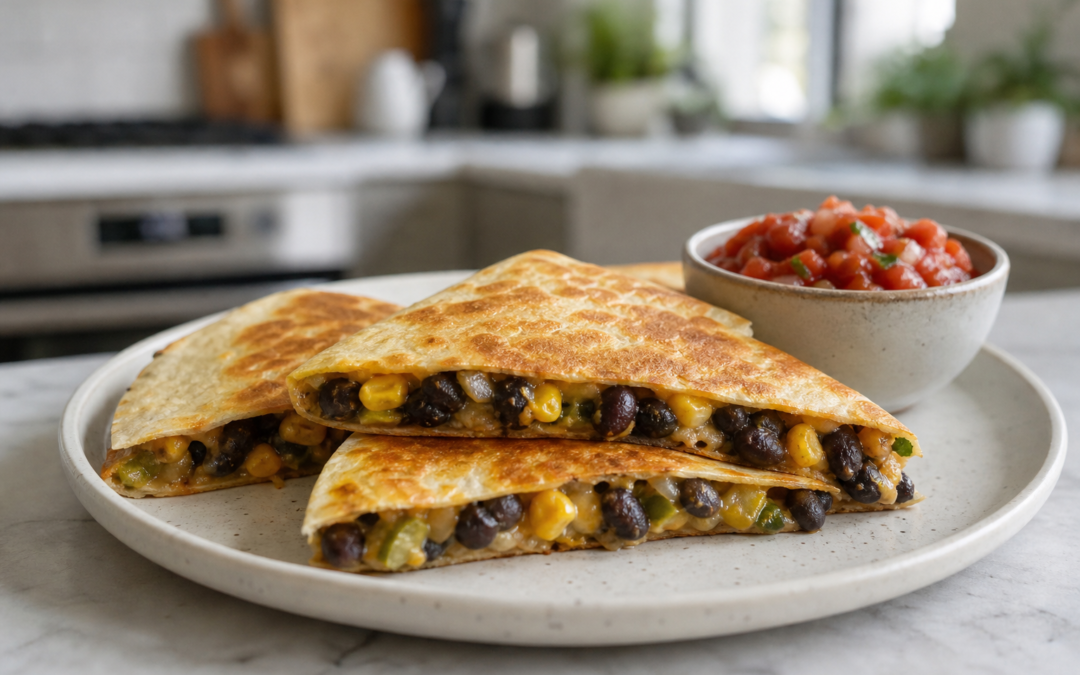
Quesadillas are a useful weeknight fallback when the fridge is not especially inspiring. This version leans on canned black beans and frozen corn, so most of the ingredients can wait patiently until you need dinner.They are crisp, filling, and easy to scale up for...

by Teralyn Sell, PhD | Sep 28, 2026 | Human Behavior, Question of the week, Social Connection
Most of us have absorbed a rule about public life: leave strangers alone. It’s not an irrational rule. People are busy. Some want privacy. Some situations are plainly not safe or appropriate for conversation. And no one needs another person treating a train ride,...

by Teralyn Sell, PhD | Sep 28, 2026 | BRAIN HEALTH, Question of the week, Sleep
Most of us know the bargain: sleep less during the week, sleep late on Saturday, maybe linger in bed Sunday morning, and begin again. It’s such a familiar arrangement that we rarely stop to ask what the extra weekend sleep is supposed to repair. Does it simply make us...

by Teralyn Sell, PhD | Sep 28, 2026 | Question of the week, Relationships, Sleep
There’s a particular kind of relationship advice that sounds so obvious we rarely stop to inspect it: couples should go to bed at the same time. Not simply sleep in the same bed. Go to bed together. Lights out, ideally. Anything else can get framed as a small...

by Teralyn Sell, PhD | Sep 28, 2026 | BRAIN HEALTH, Health and Wellness, Question of the week
We tend to put hearing in its own little box. You hear well, or you don’t. If you don’t, there are devices that make things louder. End of story. But hearing is not just about volume. It is how we follow a joke across a crowded dinner table, catch a quiet aside in a...

by Teralyn Sell, PhD | Sep 28, 2026 | Question of the week, Relationships, Social Connection
Most of us have probably had this experience: you’re talking to someone, they glance at their phone, answer a notification, then say, “Sorry, what were you saying?” Nothing dramatic happened. No one left. No one yelled. The conversation simply lost its thread. We tend...

by Teralyn Sell, PhD | Sep 28, 2026 | Capacity Report, Human Behavior, Movement, Question of the week
Most of us know the feeling: you’ve been staring at the same problem for an hour, getting nowhere, and someone says, “Go take a walk.” It sounds almost too tidy. As if the brain has a reset button located somewhere near the sidewalk. But I wondered whether walking...