
ABOUT DR. TERALYN
I got more interested in the questions we weren't asking
For more than two decades, I’ve worked at the intersection of psychology, human behavior, brain health, and the decisions people make when the answers aren’t simple.
Over time, I became less interested in whether something was called a treatment—and more interested in what happened to the person.
Can they think? Decide? Work? Create? Connect? Adapt? Perform? What does it cost them to keep doing those things?
Those questions led me beyond symptoms and toward a much larger question:
What are we doing to human capacity?
Today, that question sits at the center of my work—from brain health and psychiatric medication to human performance, brain capital, and the Brain Economy.
question everything. assume nothing.
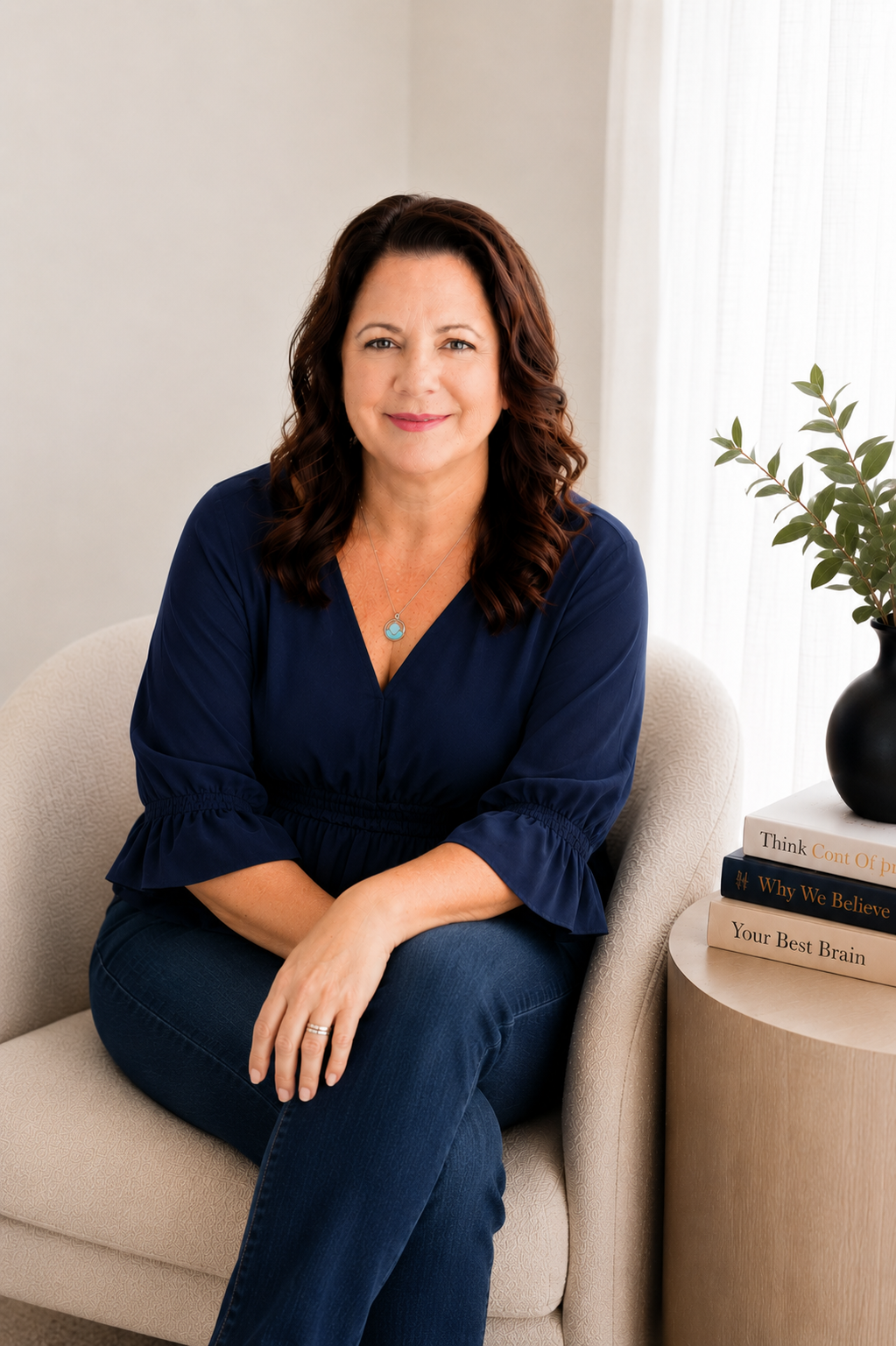
A trusted voice in rethinking mental well-being






why i started questioning...everything
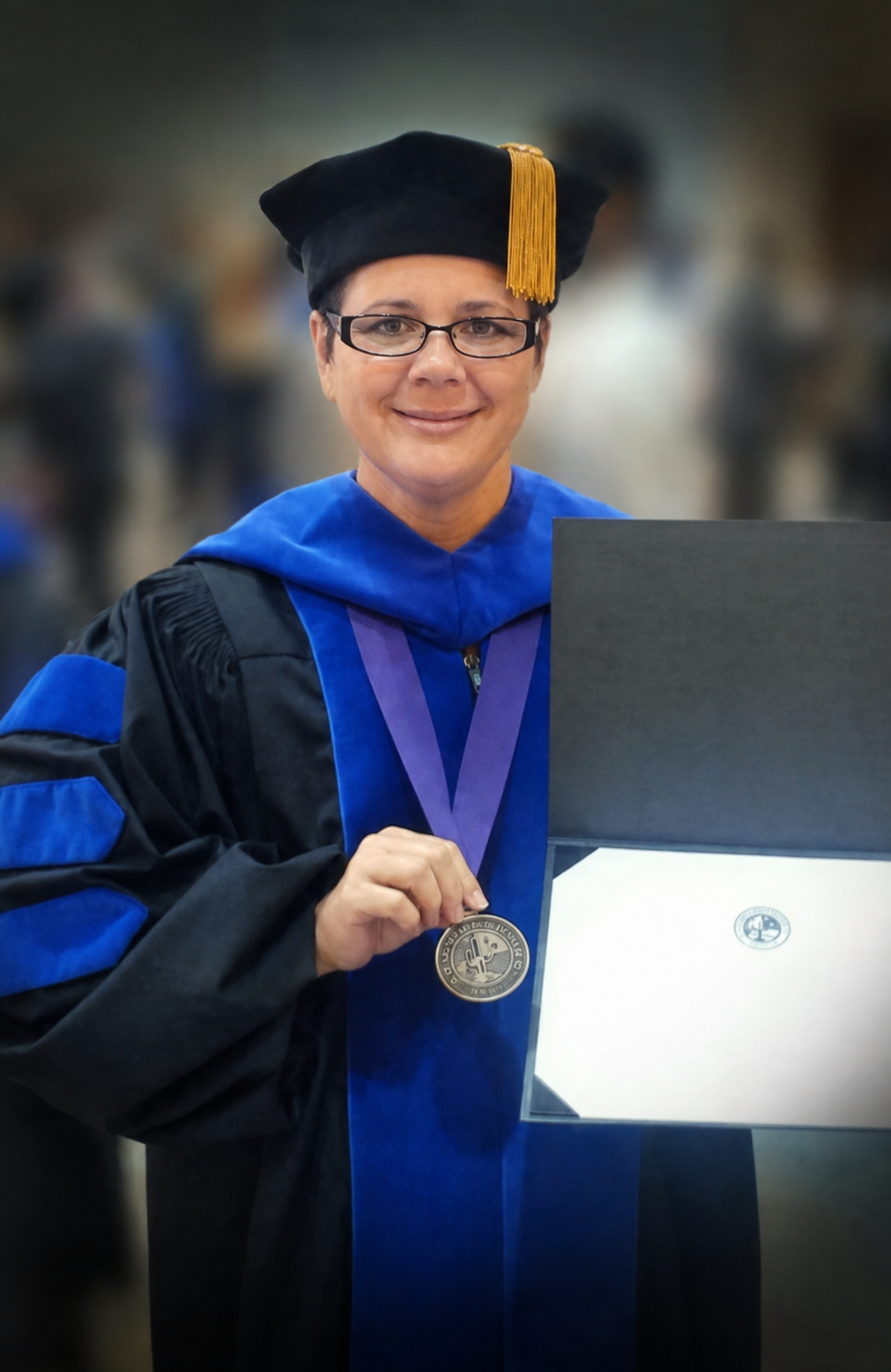
I spent years inside the system before I started questioning the system itself.
I earned a PhD in Psychology.
After 15+ years running a clinical practice, I kept seeing things that diagnosis and symptom scores didn’t fully explain. So I went deeper into the biology—nutrition, functional medicine, and brain health.
That changed how I thought.
I had spent years sitting across from people trying to understand why they felt the way they did and what might actually help. I also had my own experience with psychiatric medication.
Over time, something became increasingly difficult to ignore:
The explanations we give people can sound far more certain than the evidence behind them.
That sent me back to the drawing board.
But eventually, the question became bigger than mental health.
I became less interested in whether we could make a symptom score move and more interested in what happened to the person.
Could they think clearly? Make decisions? Work? Create? Connect? Adapt? Experience pleasure? Perform when life demanded it—and still have something left afterward?
Those aren’t secondary outcomes.
They are human capacity.
And that changed the question at the center of my work:
What are we doing to human capacity while we’re trying to make people better?
what i believe
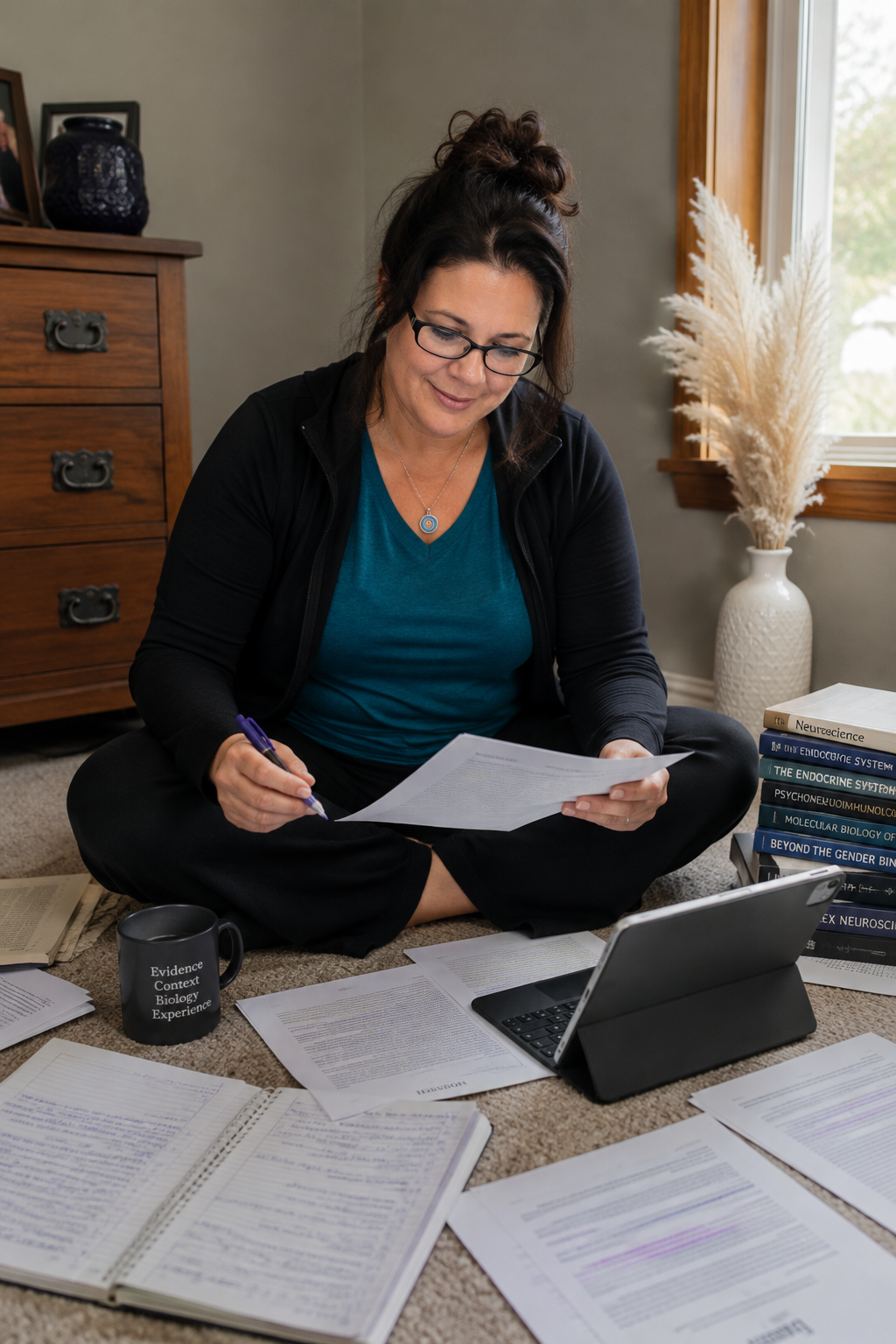
Evidence matters. Context matters. Biology matters. The person matters.
And certainty deserves scrutiny
Questioning something isn’t the same as rejecting it.
It means asking what we know, how we know it, what we’re assuming—and what may be missing.
Because an outcome isn’t only a symptom score.
How someone thinks, decides, works, creates, connects, and experiences their own life matters too.
Sometimes the evidence confirms what we thought.
Sometimes it changes the question.
Both are worth knowing.
The Long version
The questions changed. The experience came with me.
20+ YEARS
Psychology, Brain Health, Human Behavior
PhD
Psychology – Addictions Studies Focus
15+ YEARS
Building & leading a clinical practice
Award Winning Author
Your Best Brain
500,000+
Curated Digital Audience
Top 5%
The Gaslit Truth Podcast
Published Researcher
Original Published Quantitative Research
200+
Features in Top Tier Media Outlets including Forbes | People | WFLA | WBAY | Sports Illustrated | Woman’s Day | +more
The questions got bigger
Human capacity became the bigger question.
Why do intelligent people keep following advice that isn’t working?
Why do health rules survive long after the evidence changes?
Why do we separate psychology from biology when human beings don’t experience themselves that way?
Why are we so uncomfortable saying we don’t know?
And increasingly:
What helps—or compromises—our capacity to think, decide, create, work, connect, adapt, and perform over a lifetime? And what does that performance cost us?
That question extends far beyond mental health.
It reaches into healthcare. Nutrition. Technology. Work. Education. AI. And the systems we build around human beings.
Then I’d change the final paragraph to:
This is where my work intersects with human performance, brain capital, and the emerging Brain Economy: how we protect and build human capacity—not simply to produce more, but to think, contribute, adapt, create, and participate without exhausting what we have available.
BRAIN HEALTH · HUMAN CAPACITY · PERFORMANCE · JUDGMENT · AGENCY

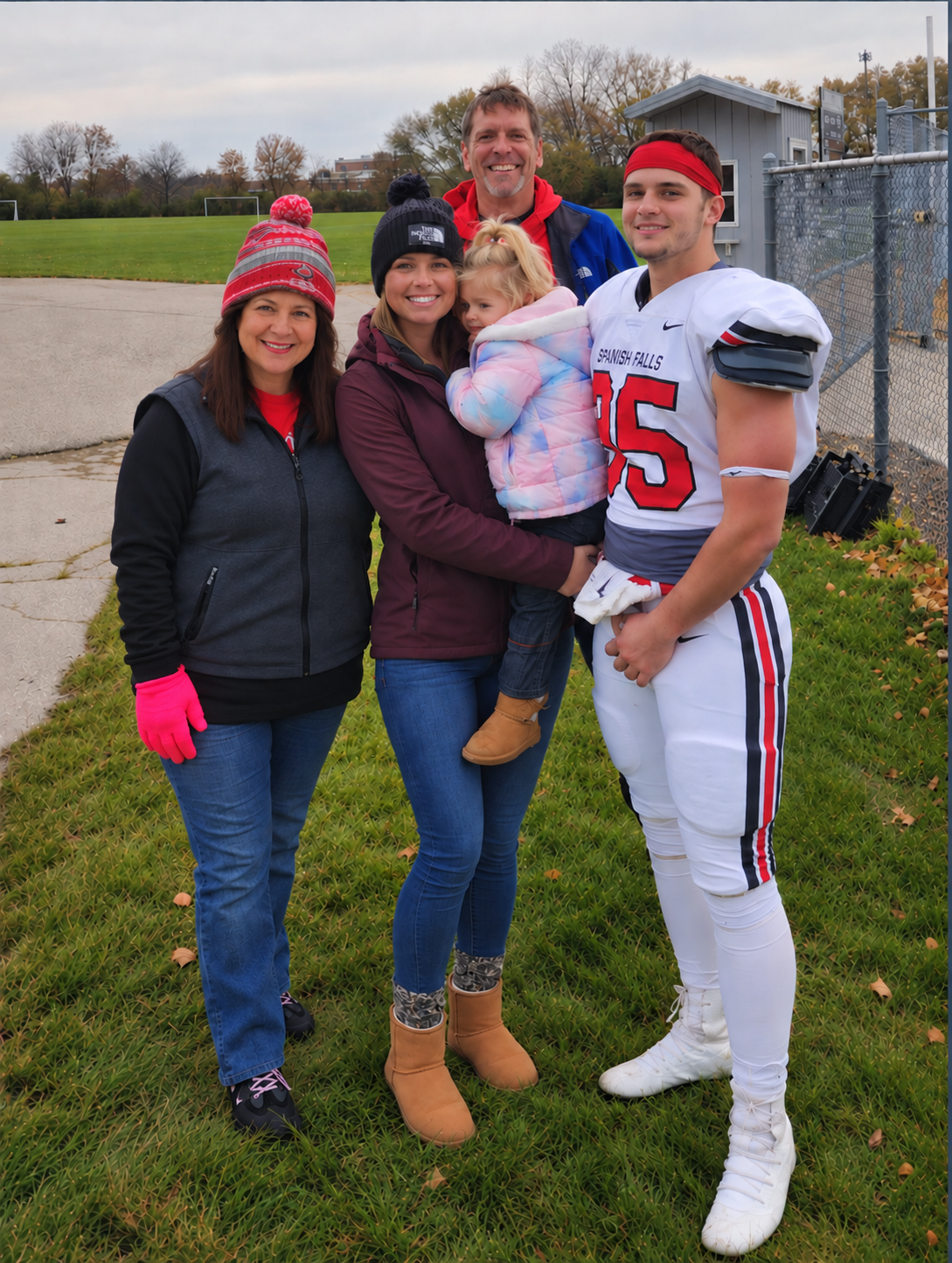
WHERE PERFORMANCE GOT PERSONAL
I built a family of high drivers.
I’ve always been Type A. Goal-oriented. Driven. I set a goal, figure out what it takes, and get to work.
And somewhere along the way, I built a family of high drivers too.
My kids set their own goals. They chose hard things. My son pursued football all the way into the collegiate game. My daughter became a nurse practitioner while raising a young family.
That one I know particularly well.
Building a career while raising children. Carrying professional responsibility while still being needed at home. Performing in one part of your life doesn’t make the demands in the other parts disappear.
Watching both of them made something increasingly clear to me:
Drive and capacity aren't the same thing. And neither one guarantees performance.
You can be talented. Prepared. Disciplined. Highly motivated. You can know exactly what you’re supposed to do.
And still reach a point where what you can access doesn’t match what you’re capable of.
I saw it in athletics. I saw it in healthcare. I had lived it myself. And I had been seeing versions of it for years in the physicians, nurses, law enforcement officers, executives, performers, and other high-demand people I worked with.
Different environments. Different demands.
Same human system.
Beyond the bio
I'm still willing to change my mind.
Expertise isn’t having an answer for everything. It’s knowing when the evidence no longer supports the answer you’ve been given.
I think it means knowing enough to recognize when the answer isn’t as settled as we’ve been led to believe—and being curious enough to keep looking.
I’m interested in research. But I’m equally interested in the gap between research and real life.
In why humans believe what we believe.
In the rules we follow without remembering who made them.
And in what those beliefs, rules, and systems ultimately do to our capacity to think, decide, work, create, connect, adapt, and perform.
Because behind every dataset, diagnosis, treatment, policy, and technology is a human being who has to live with the consequences.
And sometimes the most important question is still the simplest:
Wait. Is that actually true?
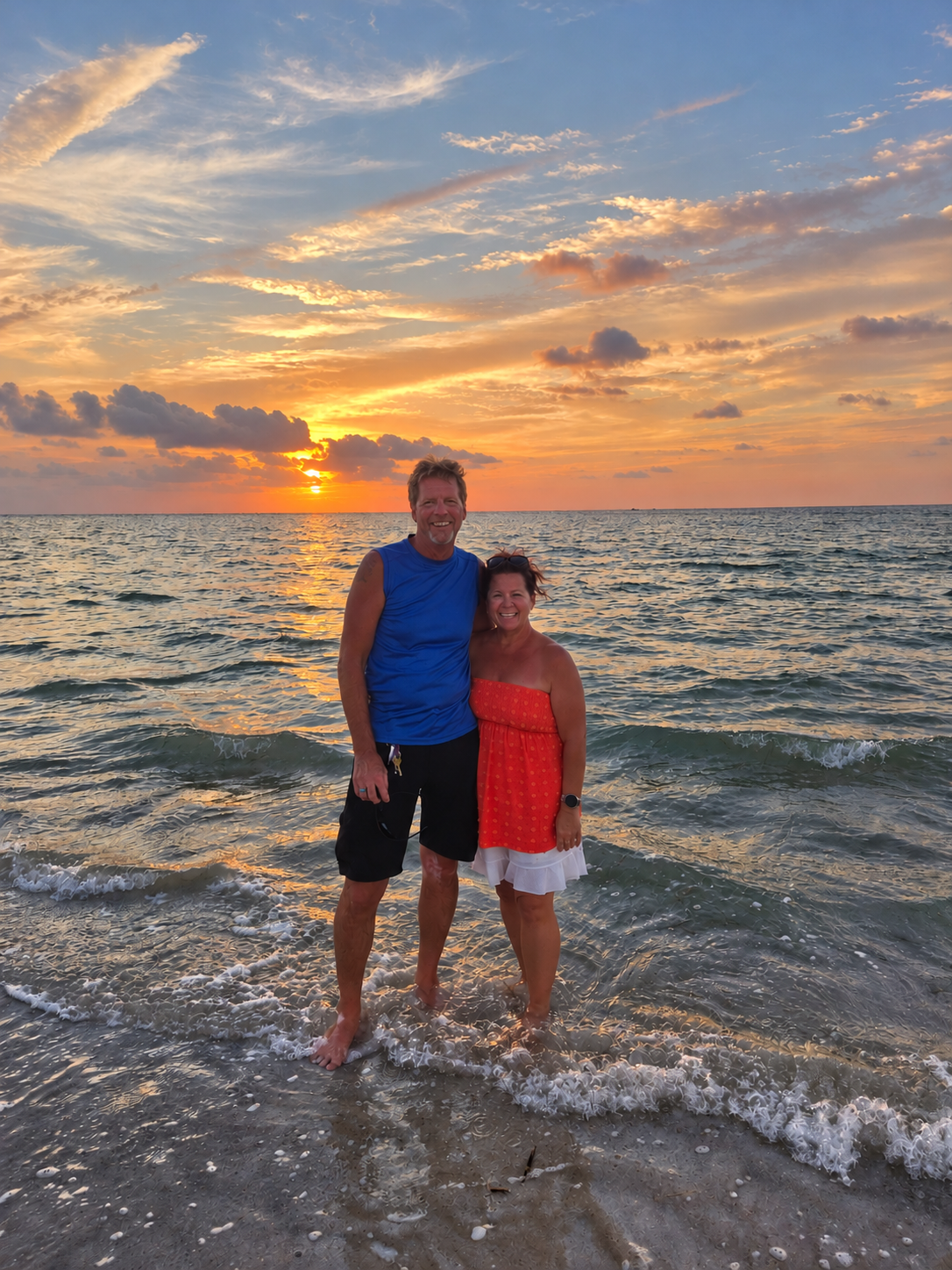
OUTSIDE THE WORK
The things that build my reserve.
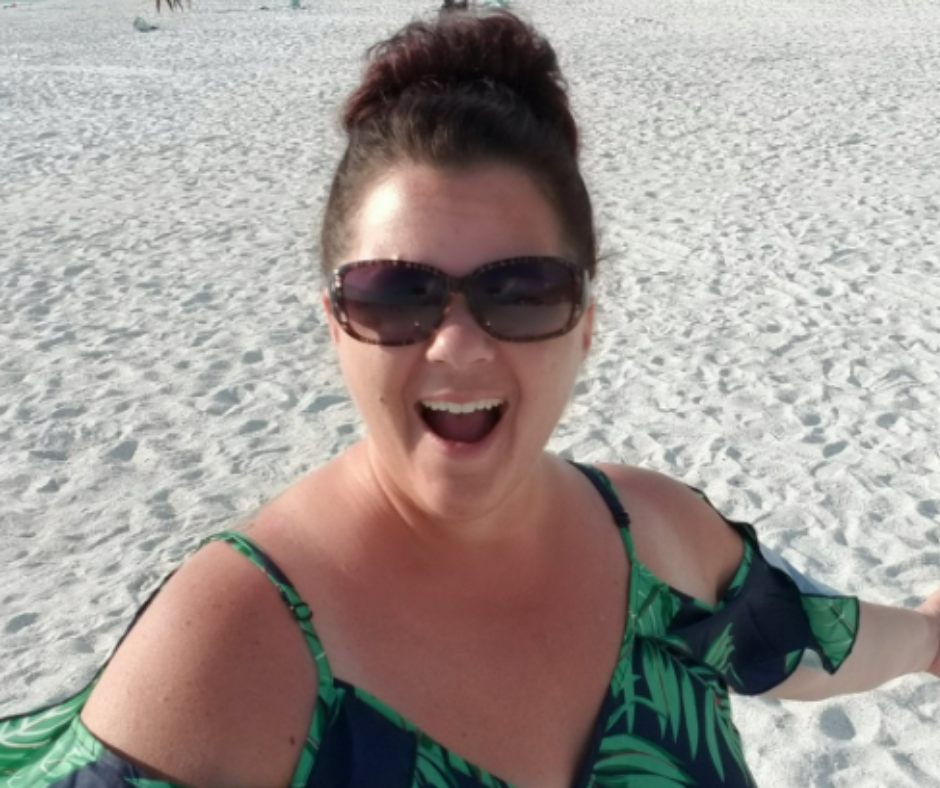

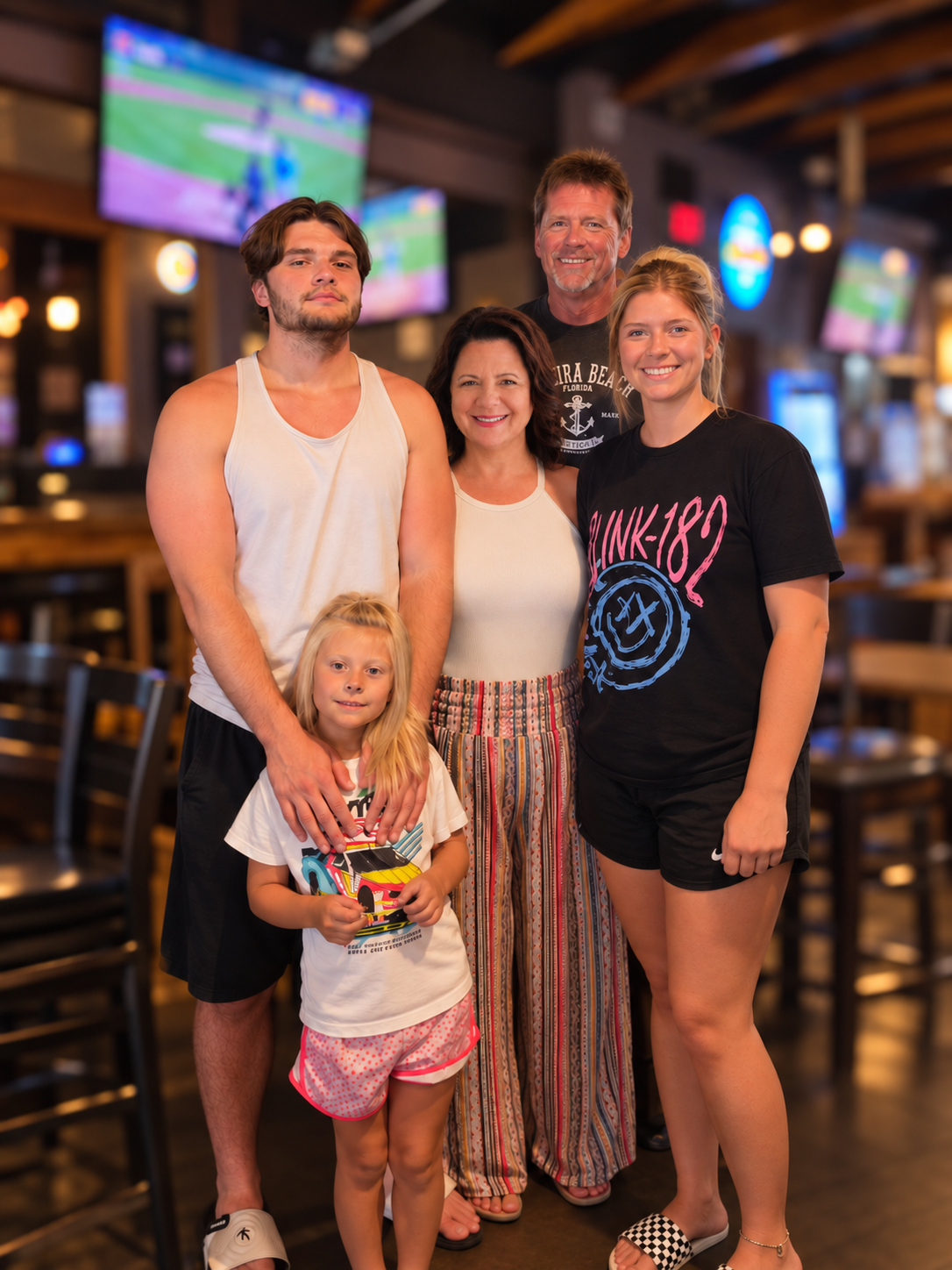
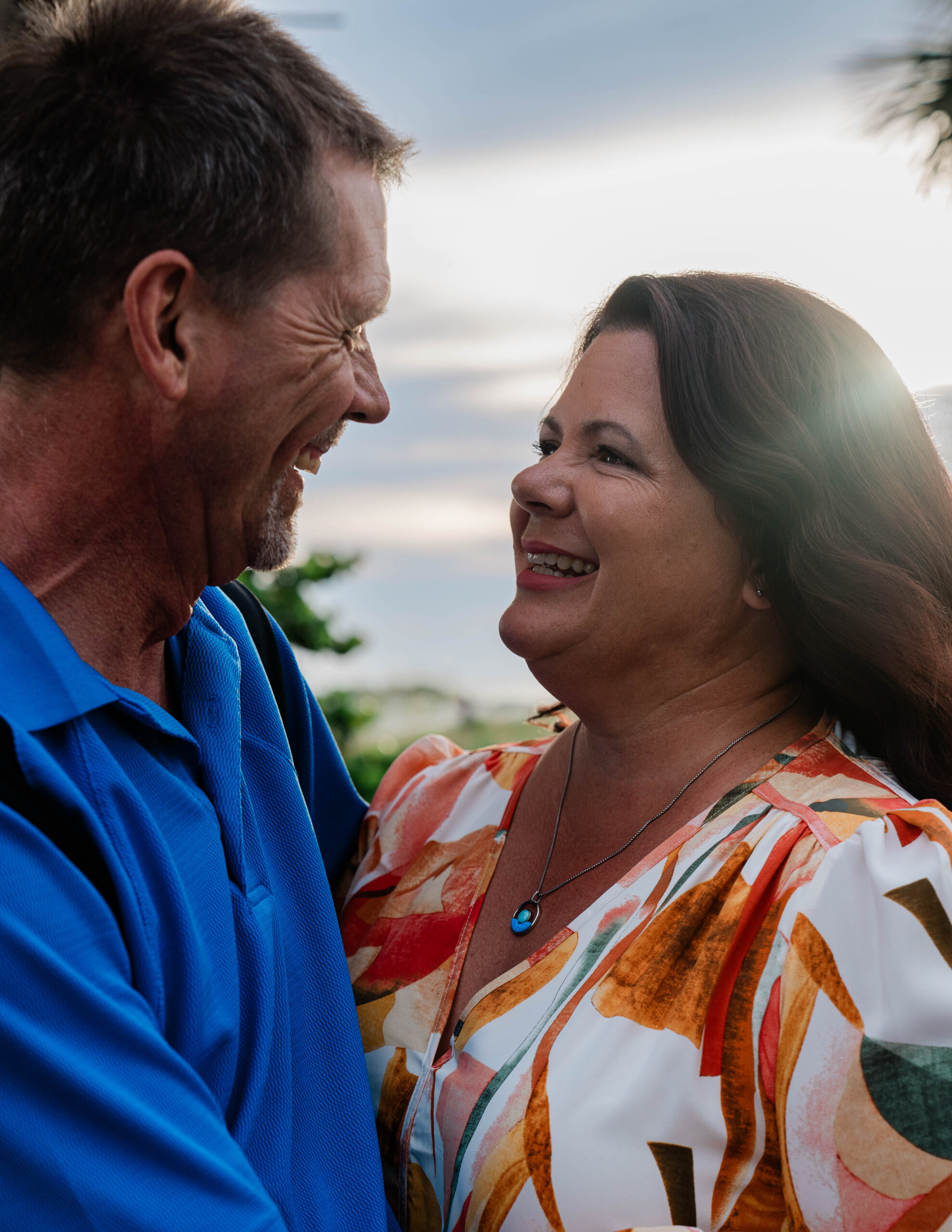
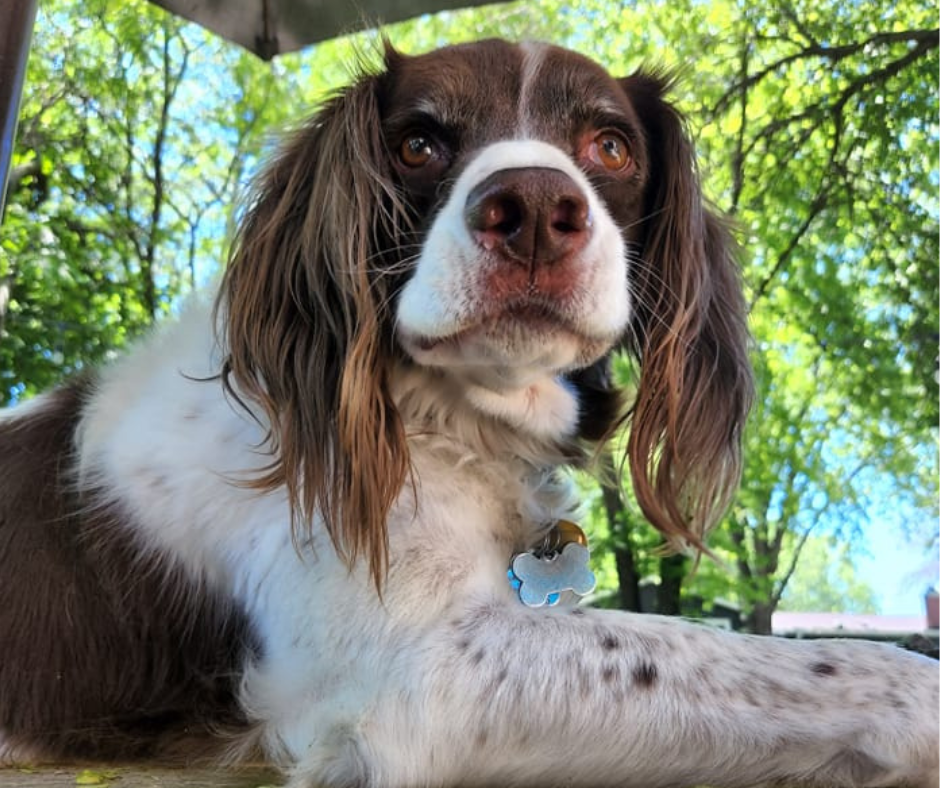
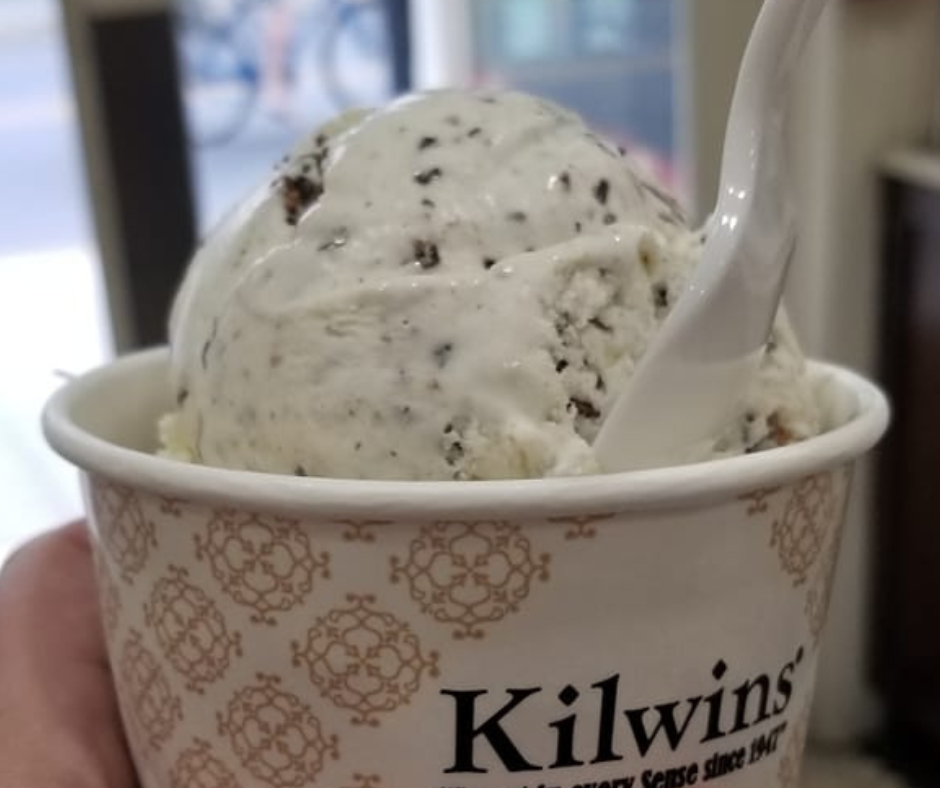
WHAT ARE WE TRYING TO PROTECT? THIS.
start somewhere
What are you questioning?
EXPLORE THE QUESTIONS →
LISTEN TO THE PODCAST →
WORK WITH ME →