His. Hers.
A Little More Spark.
Connection, intimacy, and pleasure are part of brain health. And getting older doesn't mean giving up on any of them. Explore self-guided nutrition programs focused on sexual wellness and vitality.
Life is too short to miss out on the good stuff.
Find Your Spark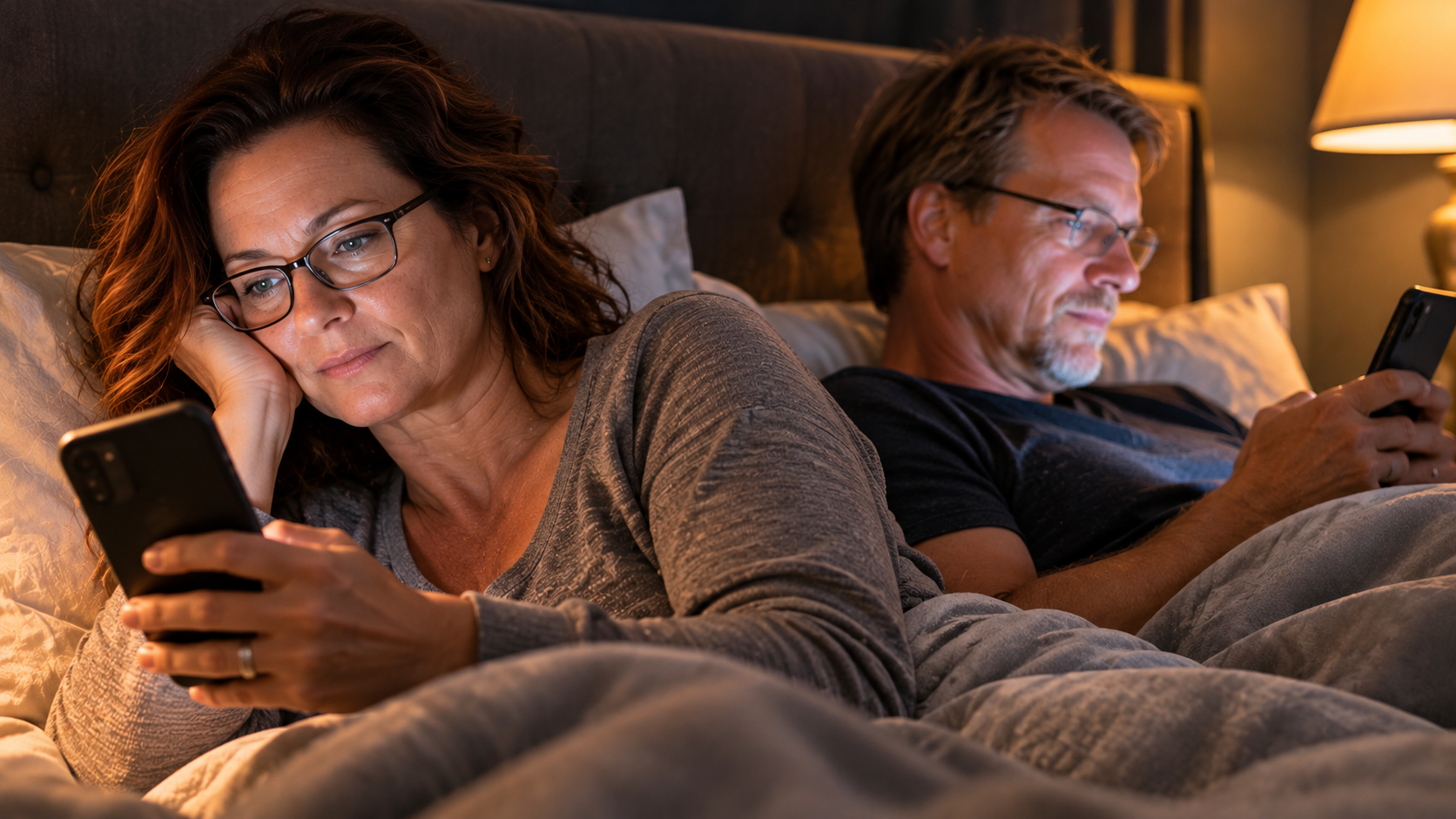
What Happened
to the Spark?
Remember when staying up late sounded like a good idea?
Sometimes desire changes gradually. Sometimes it seems to disappear overnight. We blame age, stress, hormones, or the fact that we're both exhausted by nine o'clock.
But there's more to the story. Your brain, hormones, circulation, metabolic health, and medications can all influence sexual desire, arousal, and pleasure.
Antidepressants and certain other psychiatric medications can affect libido, orgasm, and sexual satisfaction. Some blood pressure medications and other cardiovascular treatments can affect sexual functioning, too. The effects vary by medication and individual.
Maybe the question isn't just where the spark went. Maybe it's what changed along the way.
Explore the Factors
It's Not Always
Just Age.
Libido isn't a light switch. Neither are erections, arousal, or orgasms. They involve a complicated relationship between your brain, body, medications, and everyday life. And sometimes the explanation isn't the one you've been given.
Medications
Sometimes the prescription helps one problem and creates another. SSRIs and SNRIs can affect desire, arousal, and orgasm. Certain blood pressure medications can contribute to erectile difficulties. Other medications may play a role, too. The specific drug matters.
Hormonal Changes
Estrogen, testosterone, and other hormonal changes can influence sexual functioning. Menopause may bring vaginal dryness or discomfort. Testosterone deficiency can affect desire in some men. But not every change in libido is a hormone problem.
Circulation & Heart Health
Erections depend heavily on blood flow. High blood pressure, vascular disease, diabetes, and smoking can interfere with it. New or persistent erectile difficulties can sometimes be an early cardiovascular warning sign, not simply an inconvenient part of aging.
Metabolic & Nutritional Health
Blood sugar regulation, sleep, adequate nutrition, and physical activity influence overall health and sexual functioning. Nutrition matters, but no single food or meal plan guarantees improved libido or erections.
The Brain & Everyday Connection
Desire involves attention, reward, mood, relationship dynamics, and the ability to experience pleasure. Chronic stress, depression, exhaustion, and even our screen-filled evenings can affect intimacy. Sometimes the brain has a lot going on before the bedroom ever enters the picture.
Before you blame your age, it's worth asking what else might have changed.
Sexual changes deserve a thoughtful review of health, medications, and individual circumstances. Never stop or change a prescribed medication without an appropriate medical review.
Explore His & Hers ProgramsFind Your Spark.
Different bodies. Different experiences. Different questions. Explore four self-guided nutrition and wellness programs designed around men's and women's sexual health. No awkward waiting room required.
Because he's not ready to retire from the good stuff.
Men's Libido Booster
A self-guided nutrition program exploring the everyday foundations of men's sexual wellness, including energy, nutrition, metabolic health, and vitality.
Program details coming soonErectile Dysfunction Support
A nutrition-focused educational program exploring cardiovascular and metabolic health factors relevant to erectile functioning. Because sometimes what's happening in the bedroom starts somewhere else.
Program details coming soonBecause pleasure doesn't come with an expiration date.
Women's Libido Booster
A self-guided nutrition program focused on the foundations of women's sexual wellness, including nourishment, energy, and overall vitality. Because feeling good matters, too.
Program details coming soonMenopause Support
A nutrition and wellness program exploring the changing needs of women during menopause, with attention to metabolic health, energy, and everyday well-being. A new chapter deserves more than a shrug.
Program details coming soonThese are self-guided educational nutrition and wellness programs, not medical treatments for sexual dysfunction or hormonal conditions. New or persistent erectile difficulties, painful intercourse, or other concerning symptoms warrant individualized medical evaluation.
A Little Extra Spark?
Good nutrition is a foundation. Sometimes you may want to explore additional support. Browse our curated supplement collections and choose individual products that fit your needs. No mandatory bundles.
Men's Foundation Collection
Explore nutritional products selected around general men's health, metabolic wellness, cardiovascular function, and healthy aging. Choose individual products rather than a fixed stack.
Explore Men's CollectionWomen's Foundation Collection
Explore nutritional products selected around women's everyday wellness, metabolic health, nourishment, and healthy aging. Choose what fits your needs without purchasing a fixed bundle.
Explore Women's CollectionLooking for Something More Specific?
Explore additional collections organized around different aspects of sexual and midlife wellness. Each product is optional.
Men's Libido Support
Nutritional products organized around men's sexual wellness and healthy hormonal function.
View CollectionCirculation & Nitric Oxide
Explore products focused on nutritional support for vascular health and nitric oxide metabolism.
View CollectionWomen's Libido Support
Explore products related to women's sexual wellness, nutritional status, and healthy aging.
View CollectionMenopause Wellness
Explore nutritional products organized around the menopausal transition, healthy aging, and general wellness.
View CollectionGood to know: Supplements are optional. They are purchased separately from the self-guided nutrition programs. You may select individual products from each collection. No supplement purchase is required to participate in a program.
The Connection
Side of the Spark.
Sometimes it's not about what's happening in the bedroom. It's about everything happening outside of it.
Between work, responsibilities, screens, and everyday routines, it's easy for connection to become something we assume will happen when there's finally time.
That's why we're developing a self-guided connection component for the His & Hers programs. Short, practical exercises explore communication, shared attention, affection, and the expectations we bring into intimacy.
No awkward assignments. No requirement to share personal details with anyone. Just thoughtful questions and everyday opportunities to pay attention to your relationship.
What You'll Explore
Examples of the short, self-guided activities we're developing.
The Ten-Minute Check-In
Put the phones away and ask something more interesting than "How was your day?"
Affection Without an Agenda
Explore closeness and physical affection without assuming every gesture needs to lead to sex.
The Desire Conversation
Reflect on changing preferences, expectations, and what each person actually enjoys.
Make Room for the Good Stuff
Look at how schedules, fatigue, and digital distractions compete with time together.
Life Is Too Short
to Miss the
Good Stuff.
We spend a lot of time talking about living longer. I think we should spend more time talking about living well.
Connection is one of the pillars of brain health. And connection isn't just having someone to talk to. It's affection, laughter, closeness, touch, and the pleasure of sharing your life with someone.
Sexual wellness is part of that conversation. Not because everyone should want the same amount of sex, but because changes in desire, arousal, or pleasure can matter to the person experiencing them.
When medications, health conditions, or life changes interfere with intimacy, those effects deserve to be taken seriously. Not dismissed as an inevitable part of getting older.

Questions? Fair Enough.
Sexual wellness is personal. It also involves more than one biological system. Here are a few things worth understanding before choosing a program.
Can psychiatric medications affect libido?
Yes. Some psychiatric medications, including certain antidepressants, can affect sexual desire, arousal, orgasm, or erectile function. Effects vary by medication and individual.
Medication-related sexual changes deserve an informed discussion with your prescriber. Do not stop or change medication without an individualized review of benefits, risks, and withdrawal considerations.
Is a lower sex drive just part of aging?
Sexual desire can change with age, but age alone does not explain every change. Hormones, cardiovascular health, metabolic conditions, medications, sleep, and relationship factors can all contribute.
A persistent or concerning change deserves a broader assessment rather than an automatic assumption that it is normal.
What is included in the self-guided programs?
The programs are designed to provide structured nutrition education through an app, with meal planning, recipes, grocery guidance, and everyday wellness information.
We are also developing optional self-guided connection exercises exploring communication, shared attention, and intimacy. Final program contents will be identified on each program's enrollment page.
Do I have to buy supplements?
No. Supplements are entirely optional and purchased separately. You can browse curated collections and select individual products. No supplement purchase is required to participate in a nutrition program.
Can my partner and I participate together?
You can explore the educational material together and discuss the connection exercises if you both choose to participate. Each person's nutritional and medical needs may be different.
These programs are not couples therapy or individualized relationship treatment.
What if I'm experiencing erectile difficulties?
Erectile difficulties can involve vascular, metabolic, neurological, hormonal, medication-related, or psychological factors. They can sometimes be an early indicator of cardiovascular disease.
Persistent or new symptoms warrant medical evaluation. Educational nutrition programs and supplements are not substitutes for diagnosis or treatment.
Will these programs restore my libido?
No specific outcome can be guaranteed. Sexual desire and function are influenced by multiple interacting factors. The programs provide education and practical wellness resources, not treatment for sexual dysfunction.
There's More to Life
Than Going Through the Motions.
Good food. Better conversations. More attention to the things that make life enjoyable. The spark isn't always about doing more. Sometimes it's about noticing what we've been missing.
Explore the Programs Self-guided education. Optional supplements. No guaranteed outcomes.