
psychiatric medication decisions
Considering a change?
Reducing or stopping a psychiatric medication deserves more than a schedule. It requires understanding your history, your health, the medication, and what matters to you.
Dr. Teralyn is not a medical doctor and does not prescribe medication.
psychiatric medication decisions
Considering a change?
Reducing or stopping a psychiatric medication deserves more than a schedule. It requires understanding your history, your health, the medication, and what matters to you.
Dr. Teralyn is not a medical doctor and does not prescribe medication.
YOU DON’T HAVE TO HAVE IT FIGURED OUT
You may just know something isn’t right.
You may not feel like yourself. You may be struggling with symptoms you don’t understand, questioning your medication, or wondering what happens if you change it. You don’t need to arrive with a decision. We start by understanding what’s happening now.
HOW IT WORKS
A thoughtful approach to desprescribing
We slow the process down, understand what’s happening, and prepare before decisions are made.
01
UNDERSTAND YOUR STORY
Start with why you began the medication, what has changed since, what you’re experiencing now, and what you want for yourself.
02
PREPARE BEFORE YOU TAPER
Build the foundation first—nutrition, sleep, movement, stress, connection, physical health, and relevant labs.
03
MOVE AT YOUR PACE
There is no prize for getting off medication quickly. We pay attention to your response, your life, and what your body is telling you along the way.
WORK DIRECTLY WITH DR. TERALYN
Build a plan around you.
Deprescribing isn’t a protocol you simply follow. We build a plan around your history, your goals, your life, and how you respond along the way.
Together we will...
✓ Understand your medication history and what has changed
✓ Clarify what you want—not what you think you’re supposed to want
✓ Prepare your brain and body before making changes
✓ Use labs and other data when they add value
✓ Understand withdrawal and what to watch for
✓ Adjust the plan based on how you respond
✓ Keep you in the driver’s seat throughout the process

GOOD TO KNOW
Questions before we get started?
Can I use insurance
No. Insurance plans do not recognize this type of brain health consultation as a covered service, so it cannot be billed to insurance.
Can I use my HSA?
HSA cards are accepted as payment. Eligibility and reimbursement depend on your individual plan, so you’ll need to confirm coverage with your HSA administrator.
Is this mental health therapy?
No. This is not therapy or counseling. Rather than providing ongoing emotional or psychological treatment, we focus specifically on your brain health—what may be influencing it, what deserves attention, and what you can do next.
Are you a medical doctor?
No. I have a PhD in Psychology, not an MD. My work focuses on helping you understand the factors influencing your brain health and turn that information into practical action.
Do you prescribe?
No. I have a PhD in Psychology, not an MD. I work collaboratively with your prescriber or in some cases help you to find a new one.
How do I get labs?
I can facilitate access to lab testing through my direct-to-consumer lab partners, but I do not order labs. We’ll discuss which tests may be useful, and you decide what you want to pursue.
A CLEARER WAY FORWARD
Expertise with the overwhelm.
I bring 25 years of experience to the complicated stuff so you don’t have to become an expert in it. We figure out what matters, make sense of the information, and decide what’s actually worth doing.
I take the work seriously, but I’m pretty informal about how we get there. Expect real conversations, straightforward answers, probably some swearing—and there’s a good chance you’ll meet Linus.
WHAT THAT MEANS FOR YOU
✓ Guidance without information overload
✓ Complex labs and health data made understandable
✓ Clear priorities instead of trying to change everything
✓ Practical steps that fit your actual life
✓ A plan that can change as we learn more
✓ And yes, probably Linus. He has opinions about brain health.

Weekly news for your noggin
DEPRESCRIBING PSYCH MEDS
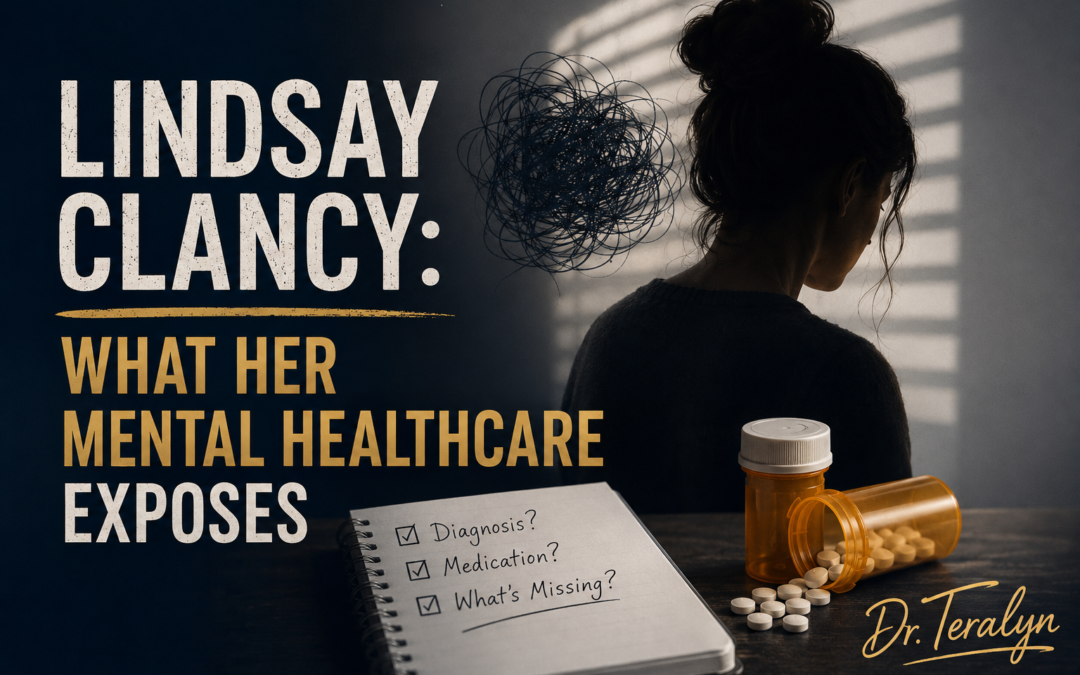
Lindsay Clancy Case: What Her Mental Healthcare Exposes
The Lindsay Clancy case exposes difficult questions about psychiatric medication, informed consent, fragmented care, and therapist medication literacy. What happens when a patient gets worse during treatment—and treatment itself is not adequately examined?
RESEARCH & DEEP DIVES
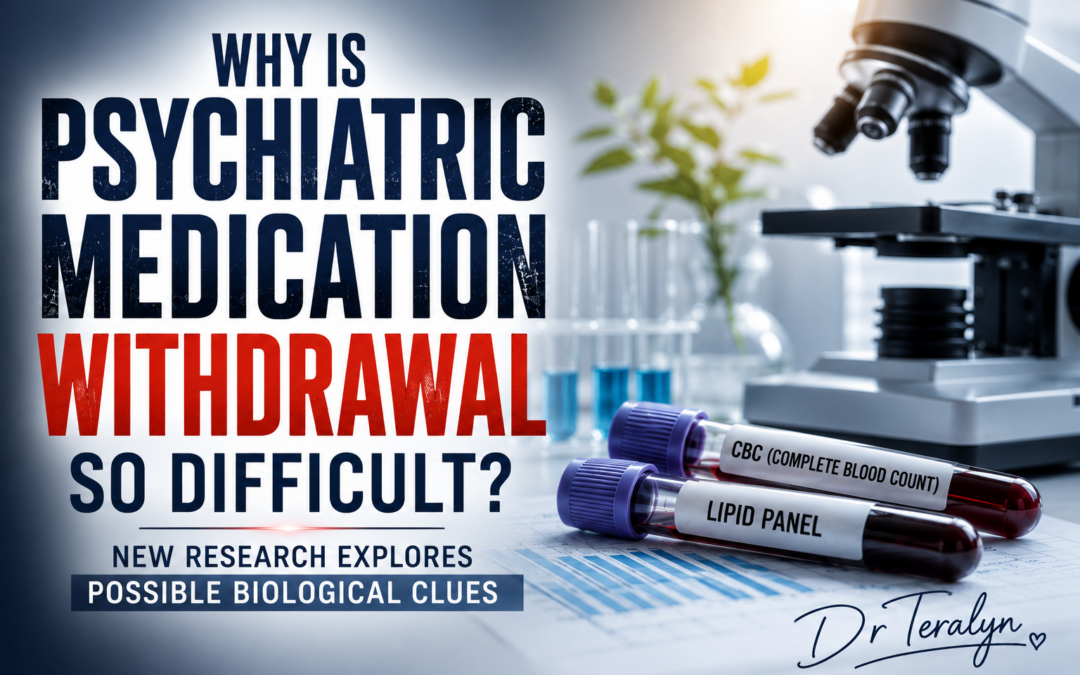
Why Is Psychiatric Medication Withdrawal So Difficult? New Research Explores Possible Biological Clues
Why do some people recover quickly after stopping psychiatric medications while others struggle for months or years? Our new research explores whether common laboratory tests may reveal biological clues behind prolonged withdrawal symptoms and medication-related harm.
READY TO BEGIN?
Start with a conversation.
A 15-minute consultation gives us a chance to talk about what you’re looking for, answer your questions, and see if working together makes sense.
15 MINUTES · NO COST TO SCHEDULE
This program is educational not therapy, or prescribing. See Disclaimer below for details.